MOVE WITH
CONTROL.
INSTALL WITH CONFIDENCE.
Professional support for shifting, positioning and installing crane and material-handling equipment. The work connects planning, equipment movement, installation, alignment, testing and commissioning into one practical process.
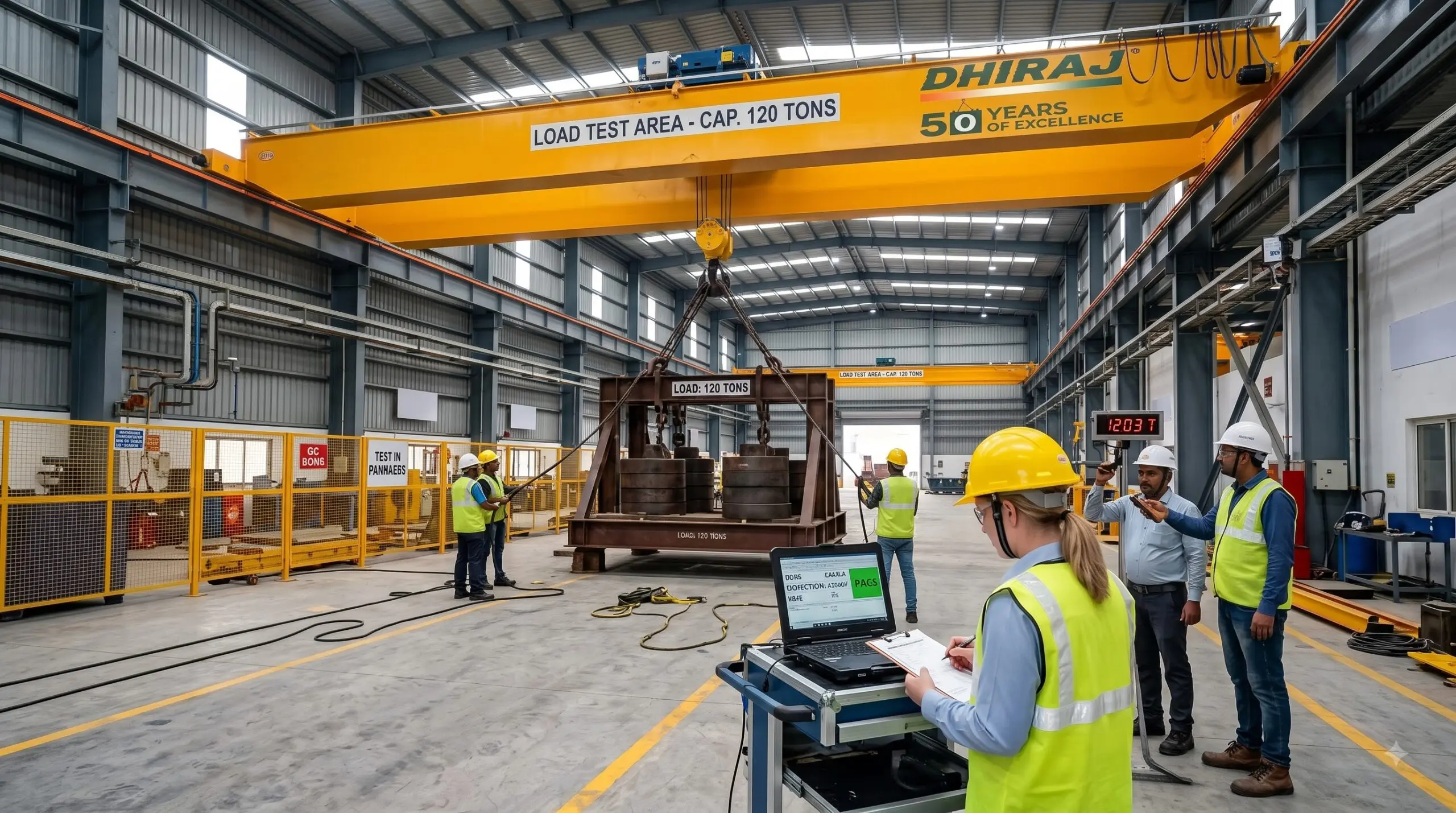 INSTALLATION & COMMISSIONING
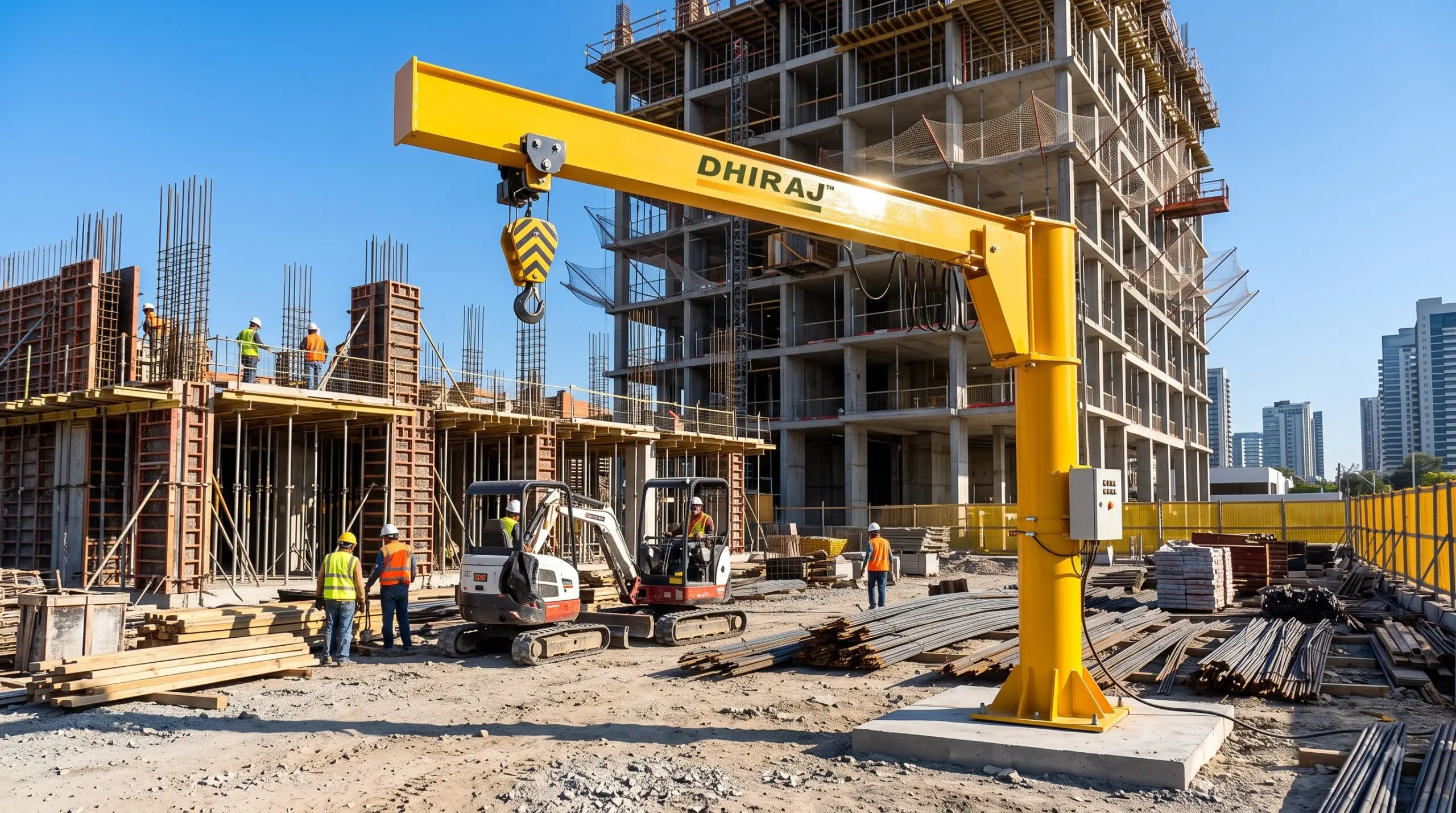

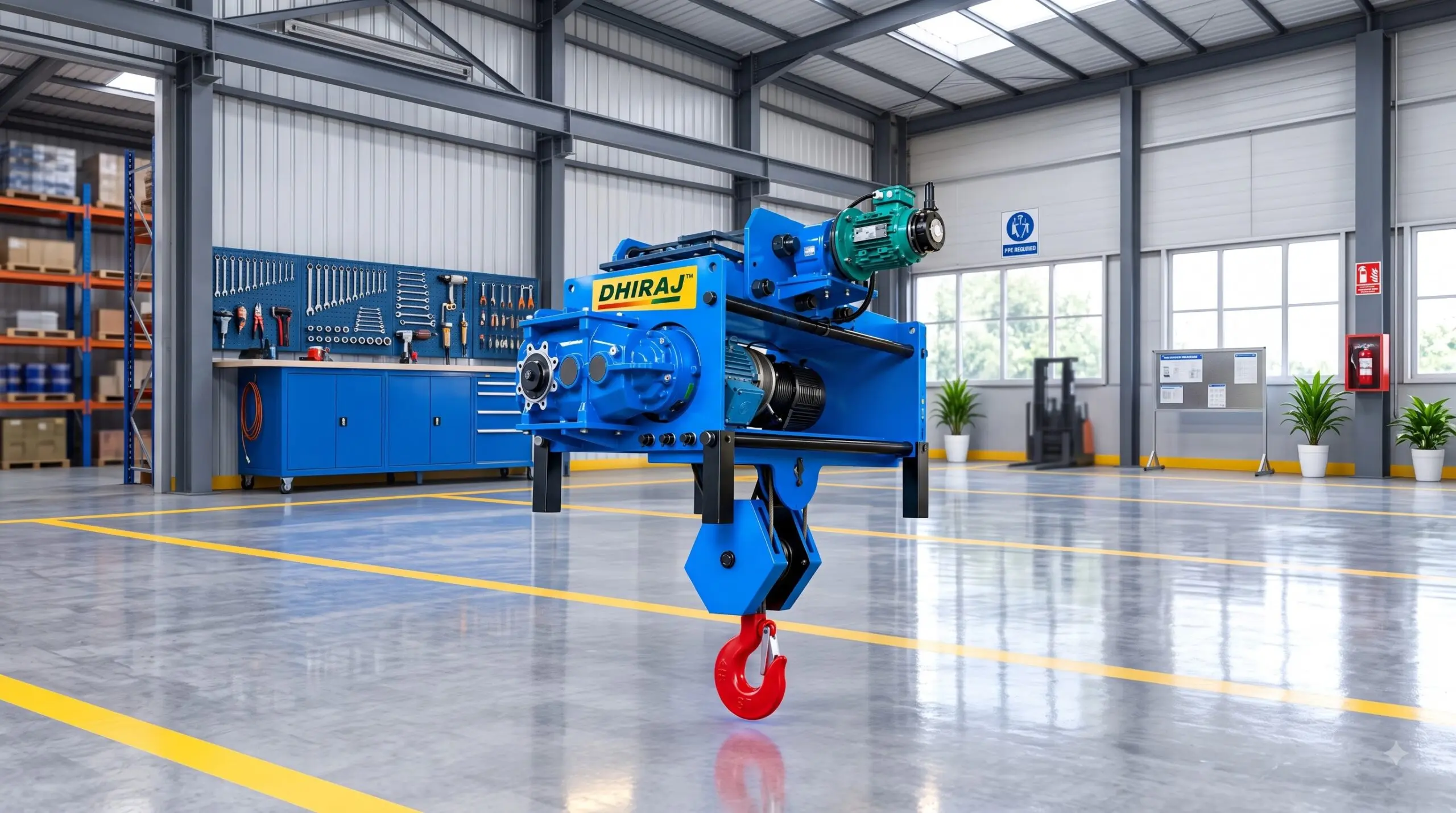
FROM ONE LOCATION
TO A READY-TO-USE CRANE.
Simple language mein, Shifting & Installation ka matlab hai crane ko safely ek location se move karna, required position par set karna aur installation ke baad uski operation readiness check karna.
Industrial crane projects mein sirf equipment ko site tak pahunchana enough nahi hota. The equipment has to be positioned correctly, assembled or installed as required, aligned with the working arrangement and checked before it is put into service.
Dhiraj Cranes' published engineering approach connects manufacturing, installation and commissioning with long-term support. This service page focuses specifically on the movement and installation side of that process.
WHAT CAN BE PART OF A
SHIFTING & INSTALLATION PROJECT?
Site & Requirement Review
Understand the crane, destination area, access conditions and installation requirement before the movement or installation activity begins.
Equipment Shifting
Plan the movement of crane equipment or major components from the existing position to the required work area according to the project arrangement.
Dismantling Support
Where a relocation requires dismantling, the work can be planned around the equipment configuration and the next installation stage.
Positioning & Assembly
Place and assemble the relevant crane components in the intended installation arrangement before final checks.
Installation
Installation activities connect the crane system with its intended operating environment and project requirements.
Alignment & Adjustment
Installation work includes attention to correct positioning and alignment so the installed system can be checked before operation.
Electrical & Control Connections
Where included in the project scope, relevant electrical and control connections can be addressed as part of installation and commissioning activities.
Testing & Commissioning
After installation, appropriate checks and commissioning activities help establish whether the system is ready for the intended operating stage.
Handover & Support
Once the installation scope is completed, the next stage can connect with maintenance, training, spare parts or service support where required.
A CONTROLLED PROCESS.
NOT JUST A SHIFT.
Every installation has its own equipment, site and access conditions. A practical sequence helps keep the work organised from the first review through final commissioning.
Survey & Understand
Review the equipment, destination, working area, access and project requirement.
Plan the Move
Define the movement and handling approach around the available site conditions and equipment configuration.
Shift & Position
Move the equipment or components to the intended location and prepare them for installation.
Install & Align
Complete the installation and address the relevant positioning, assembly and alignment requirements.
Test & Commission
Carry out the appropriate checks and commissioning steps before the system moves into operation.
GOOD INSTALLATION STARTS
BEFORE SITE WORK.
Key information to understand
- 01Crane type and equipment configuration
- 02Approximate load and component details
- 03Existing and destination location
- 04Access route and available working area
- 05Installation arrangement and site constraints
- 06Relevant drawings, dimensions or technical information
Why this planning matters
Crane movement and installation are connected activities. A change in access, building layout, available space or equipment arrangement can affect how the work needs to be planned.
That is why the practical approach is to understand the project first, then decide the sequence of shifting, positioning, installation and testing.
The exact method, lifting arrangement, equipment and site requirements depend on the actual project and should be established through appropriate technical assessment.
WHEN AN EXISTING CRANE
HAS TO MOVE.
Relocating an existing crane can involve more than physical movement. The equipment may need to be prepared, dismantled where required, moved to another area and then installed again according to the new arrangement.
Assess
Understand the existing crane and the new location.
Prepare
Plan the dismantling or movement requirements for the equipment.
Relocate
Move the relevant equipment or components to the new position.
Reinstall
Install, align, check and commission according to the project scope.
THE SMALL DETAILS
MATTER.
Positioning
The crane needs to be placed according to the intended working arrangement and available site conditions.
Alignment
Relevant installation alignment and adjustment requirements are reviewed before the equipment moves toward operation.
Mechanical Assembly
Components are assembled according to the applicable equipment configuration and project scope.
Electrical Integration
Electrical and control-related installation work may form part of the overall commissioning scope where applicable.
Functional Checks
Relevant operating functions can be checked as part of the commissioning stage.
Commissioning
The final stage connects the completed installation with the required checks before operation.
INSTALLATION IS ONE PART
OF THE CRANE LIFECYCLE.
A crane project can continue beyond installation. Depending on the requirement, related engineering and support services may include maintenance, repair, operator training, technical advisory, modification and retrofitting, hoist service and genuine spare parts.
Technical Advisory
Discuss a technical requirement before deciding the next engineering step.
Crane Maintenance
Planned inspections and maintenance support for dependable crane performance.
Crane Service & Repairs
Technical troubleshooting and repair for mechanical, structural and electrical crane systems.
Modification & Retrofitting
Upgrade existing cranes when loads, layouts, performance expectations or requirements change.
Operator Training
Practical training focused on safe handling, responsible operation and better equipment utilisation.
Genuine Spare Parts
Parts support for maintenance and service requirements around crane equipment.
BUILT AROUND REAL
INDUSTRIAL WORKPLACES.
ENGINEERING EXPERIENCE
BUILT SINCE 1974.
Dhiraj Enterprises was founded in 1974. Published company information describes a business built around crane manufacturing, engineering, installation and long-term support, with more than 1500 cranes installed.
The company also reports shipments and presence extending beyond India, including Nepal, Bangladesh, Sri Lanka, Oman and Africa. For international projects, the exact shifting, installation and site-support scope should be discussed according to the project location and requirement.
COMMON QUESTIONS.
What does Shifting & Installation mean in simple words?
It means moving crane equipment or components to the required location, installing them in the intended arrangement and completing the relevant checks before operation.
Can an existing crane be shifted to another location?
Yes, relocation can be considered for an existing crane. The actual process depends on the crane configuration, destination, access, site conditions and technical requirements.
Does shifting always require dismantling?
Not necessarily. The movement method depends on the equipment, site and project conditions. Some relocations may require partial or complete dismantling before movement.
Is installation followed by testing?
Testing and commissioning are part of the installation workflow where applicable. The exact checks depend on the equipment and project scope.
Can installation include electrical work?
Where applicable and included in the project scope, electrical and control-related installation can form part of the overall installation and commissioning process.
Can you handle international installation projects?
Dhiraj Cranes reports activity beyond India. The exact installation, shifting and site-support scope for an international location should be confirmed for the specific project.