WHEN YOUR CRANE STOPS, THE RESPONSE MATTERS.
An unexpected crane failure can interrupt material movement, hold up production and put pressure on the entire shift. Dhiraj Cranes provides practical emergency breakdown support focused on diagnosis, repair and safe restoration of industrial lifting equipment.
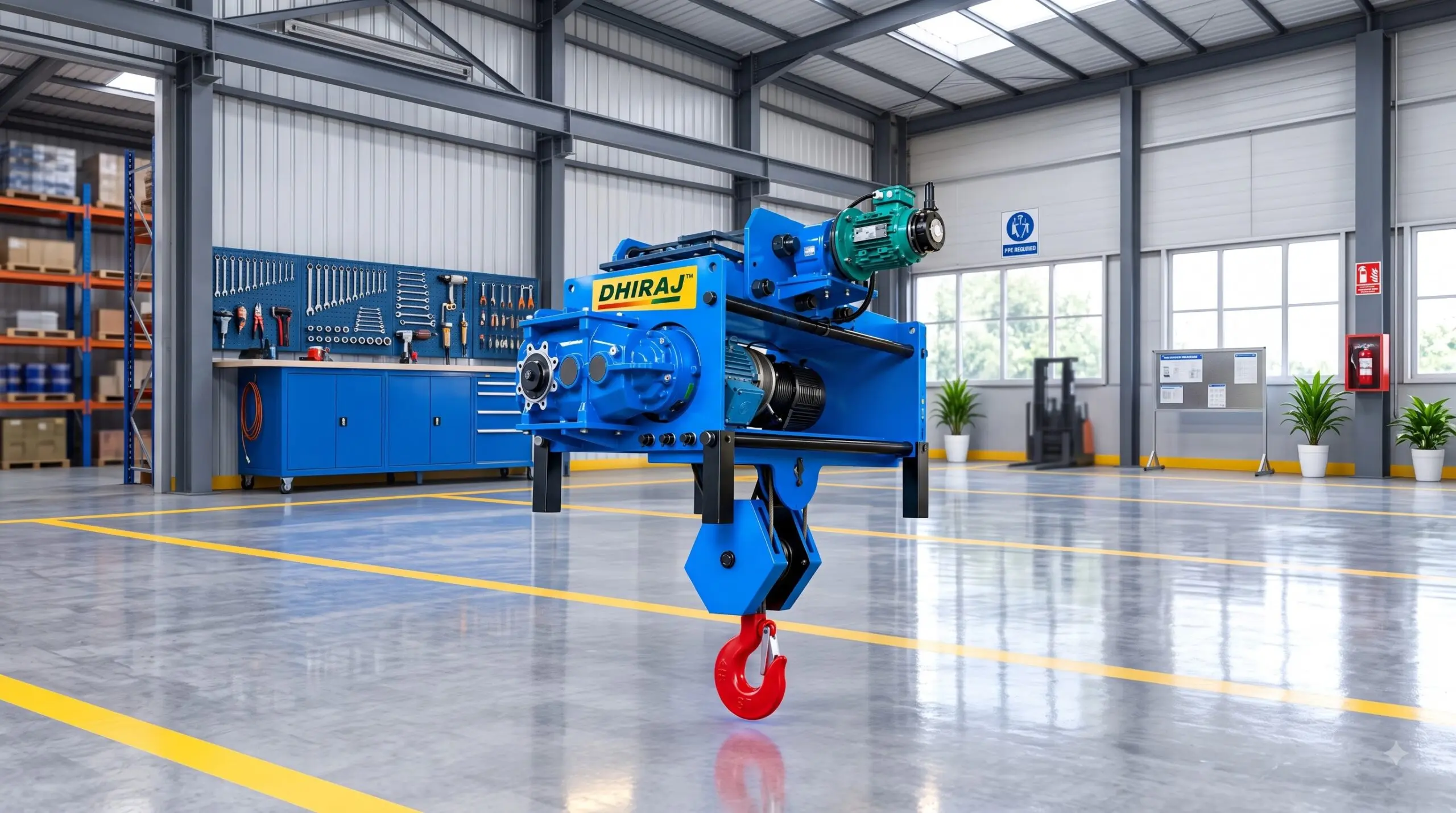 SUPPORT
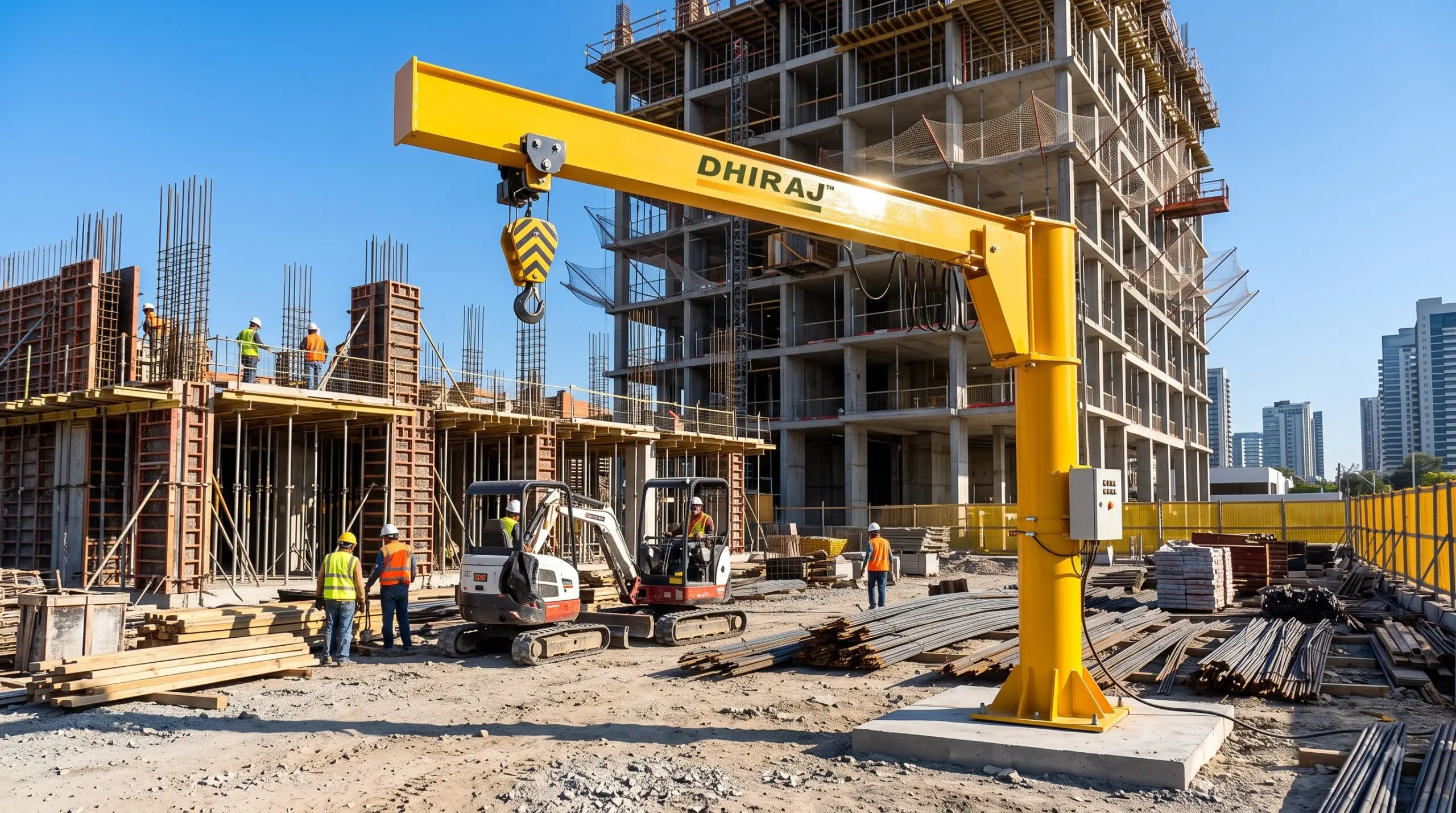 FIELD
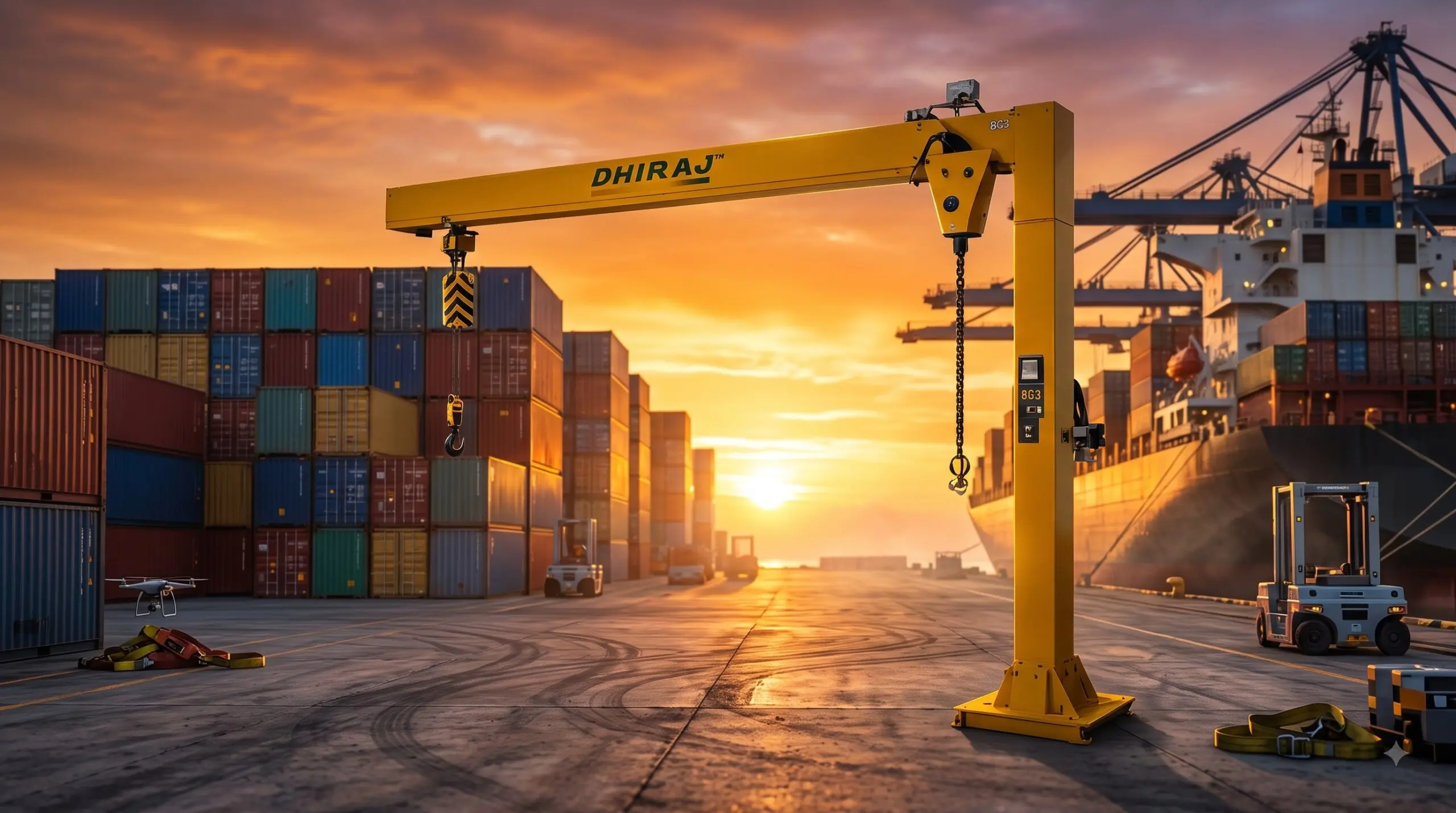 CRANE
Start with the fault. Not the guess.
Crane failures do not all look the same. A machine may stop completely, a hoist may refuse to lift, a brake may behave abnormally, a pendant may stop responding, or an electrical fault may affect only one movement.
The right first step is to understand the symptom and inspect the affected system. From there, the repair can be planned around the actual condition of the crane instead of replacing parts without knowing why the failure occurred.
Restore dependable operation — not just movement.
Emergency support should address the immediate fault while keeping the equipment's wider condition in view. Where appropriate, related components can also be checked so a recurring problem is not simply passed on to the next shift.
Common crane breakdown situations.
Industrial cranes combine mechanical, electrical and control systems. A fault in one part can affect the complete machine. Emergency breakdown support can cover a range of practical failure conditions.
Crane Not Starting
Fault investigation around supply, control circuits, contactors, protection devices and other reasons for a non-starting crane.
Hoist Not Lifting
Inspection of hoist controls, motor, brake, electrical circuits and related lifting components.
Brake Problems
Assessment of brake operation where stopping, holding or release behaviour is not normal.
Electrical Faults
Troubleshooting of panels, wiring, contactors, protection and control elements affecting crane operation.
Pendant & Remote Issues
Fault finding around push-button pendants, remote controls and command signals.
Travel Problems
Investigation of abnormal long travel, cross travel, drive-side or wheel-related movement issues.
Gearbox & Drive Faults
Assessment of unusual noise, vibration, leakage, drive loss or other gearbox-related symptoms.
Rope, Hook & Lifting Components
Inspection of visible lifting-component concerns that require repair, adjustment or replacement.
Limit & Safety Device Issues
Checking relevant limit switches and safety-related control components when normal operation is interrupted.
Five steps from fault report to equipment handover.
A breakdown situation is easier to manage when the service process is clear. The sequence below keeps attention on the fault, the repair and the condition of the equipment after the work.
Record the symptoms, crane type and what happened before the failure.
Check the affected mechanical, electrical and control systems.
Identify the likely failed component or underlying fault.
Carry out the required repair, adjustment or component replacement.
Check relevant functions before the equipment is returned to operation.
One symptom can have more than one cause.
A crane that will not move may have an electrical issue, a control problem, a protection trip, a brake condition or another fault. Good troubleshooting looks at the system as a whole instead of assuming the first visible component is the only problem.
Power & Control
Check supply, control circuits, contactors, protection and relevant electrical connections.
Motor & Drive
Review motor behaviour, drive-side symptoms, abnormal noise, heating or loss of expected movement.
Brake System
Look at brake response where the crane is not holding, releasing or stopping as expected.
Hoist & Lifting System
Inspect the hoist, rope or chain arrangement, hook and associated lifting components.
Travel Mechanism
Assess wheels, drive arrangements and movement-related components where travel is affected.
Controls & Safety Devices
Check pendant, remote, limit and related control elements where they influence operation.
Useful information can save time at the start.
If available, keep the crane type, rated capacity, location, recent maintenance history and a clear description of the problem ready. Photos of a fault indication or damaged component can also help with the initial discussion.
Crane Type & Capacity
Share the equipment type, capacity and identifiable model details.
Exact Symptom
Tell us what does not work — lifting, lowering, travel, starting or complete operation.
Recent Work
Mention recent servicing, repairs, modifications or component replacement.
Site Details
Provide the site location and access information needed for service planning.
Mechanical, electrical and control-side support.
Emergency work can involve one component or several connected systems. The actual repair scope depends on the equipment condition, fault and parts required.
Mechanical Repairs
Support for mechanical components, drive arrangements, brakes and other crane-side issues.
Electrical Repairs
Troubleshooting and repair of electrical circuits, control panels and related components.
Hoist Repairs
Inspection and repair support for hoisting equipment and associated lifting systems.
Control Systems
Attention to pendant controls, remote controls, contactors, limit devices and command circuits.
Component Replacement
Replacement of failed or worn components where the equipment condition requires it.
Post-Repair Testing
Relevant operating functions are checked after service before the equipment is handed back.
The first repair may not be the whole story.
If the same crane develops the same fault repeatedly, the repair history becomes important. A component may be failing because of wear, operating conditions, connected equipment, electrical conditions or another underlying issue.
After an emergency repair, a wider inspection or planned maintenance discussion can help identify related problems before they create another unplanned stoppage.
From breakdown to prevention
Immediate repair → condition review → maintenance recommendation → component planning → future service schedule.
The aim is to turn a one-time emergency into useful information for the equipment's next maintenance decision.
Support for demanding lifting environments.
Crane downtime affects different operations in different ways. Emergency breakdown support can be relevant wherever industrial lifting equipment is part of the material-handling process.
One service partner for the wider crane lifecycle.
A breakdown rarely exists in isolation. Dhiraj Cranes also provides services around maintenance, repairs, spare parts, hoist servicing, installation and technical support.
When the emergency is over
Use the repair findings to plan the next maintenance, inspection or component-replacement requirement.
| Emergency Breakdown | Fault diagnosis and urgent repair support |
|---|---|
| Crane Repair | Mechanical, electrical and control-side repair |
| Crane Maintenance | Planned inspection and preventive maintenance |
| Hoist Service | Inspection, servicing, repair and component support |
| Genuine Spare Parts | Crane and hoist replacement components |
| Modification & Retrofitting | Upgrades for changing equipment or operational needs |
| Installation & Shifting | Relocation, installation and commissioning support |
| Technical Advisory | Engineering and application-focused guidance |
Experience built around industrial lifting.
Dhiraj Cranes was established in 1974. Over more than five decades, the company has built its work around cranes, material handling and the service requirements that keep industrial lifting equipment useful over time.
Emergency breakdown work is part of that larger service relationship: understand the equipment, identify the fault, repair what is required and help the customer plan what comes next.
Industrial engineering journey
50+ years of experience across crane and material-handling requirements, supported by a wider service offering.
Emergency Breakdown — practical answers.
What types of crane breakdowns can Dhiraj Cranes support?
Support can cover mechanical, electrical and control-related problems including starting faults, hoisting issues, brake problems, pendant or remote-control issues, travel problems and component-related failures.
Can you inspect an existing or older crane?
Existing equipment can be assessed based on its condition, configuration, fault and available technical information. The repair approach depends on the actual equipment and site condition.
Do you provide spare parts with breakdown repair?
Dhiraj Cranes also provides crane and hoist spare parts. The availability and suitability of a particular component depends on the equipment and requirement.
What information should I provide when reporting a breakdown?
Crane type, capacity, site location, exact symptom, recent maintenance or repair history and any safe-to-share photos of the fault can help with the initial assessment.
Can repeated breakdowns be investigated?
Yes. Recurring failures can be reviewed alongside maintenance history and related component condition to identify possible preventive actions.
Does emergency service mean guaranteed 24/7 response?
Emergency breakdown support requirements vary by location, equipment and service arrangement. Response coverage and timing should be confirmed for the specific requirement rather than assumed.
Do you support international customers?
Dhiraj Cranes presents its services for India and international markets. Specific site coverage, travel arrangements, response time and technical requirements should be confirmed for the project location.
When the crane is down, clarity comes first.
A breakdown is already disruptive. The service process should not make it more complicated. Tell us what happened, provide the equipment details you have and describe what the crane is doing now. From there, the technical team can discuss the appropriate inspection, repair and support requirement.
The exact response, parts requirement, site visit and repair scope depend on the equipment and location. Safety procedures should always take priority, and equipment with an uncertain safe operating condition should not be put back into service without appropriate assessment.
Let's get the problem understood.
Share your crane type, site location and the symptoms you are seeing. Dhiraj Cranes can discuss the appropriate breakdown repair or service requirement.